What Is Speech Level Singing? Seth Riggs Method Explained
What Is Speech Level Singing? Understanding the Seth Riggs Method
Have you ever wondered how singers hit high notes without sounding strained, move smoothly between low and high notes, or maintain a consistent tone throughout a song? The answer often starts with learning how to coordinate the voice properly.
Speech Level Singing (SLS) is a vocal training approach developed by renowned vocal coach Seth Riggs that focuses on maintaining balanced vocal coordination throughout a singer's range. Rather than forcing the voice to reach higher notes, the method uses targeted vocal exercises to help singers develop smoother transitions between vocal registers, greater control, and more consistent tone.
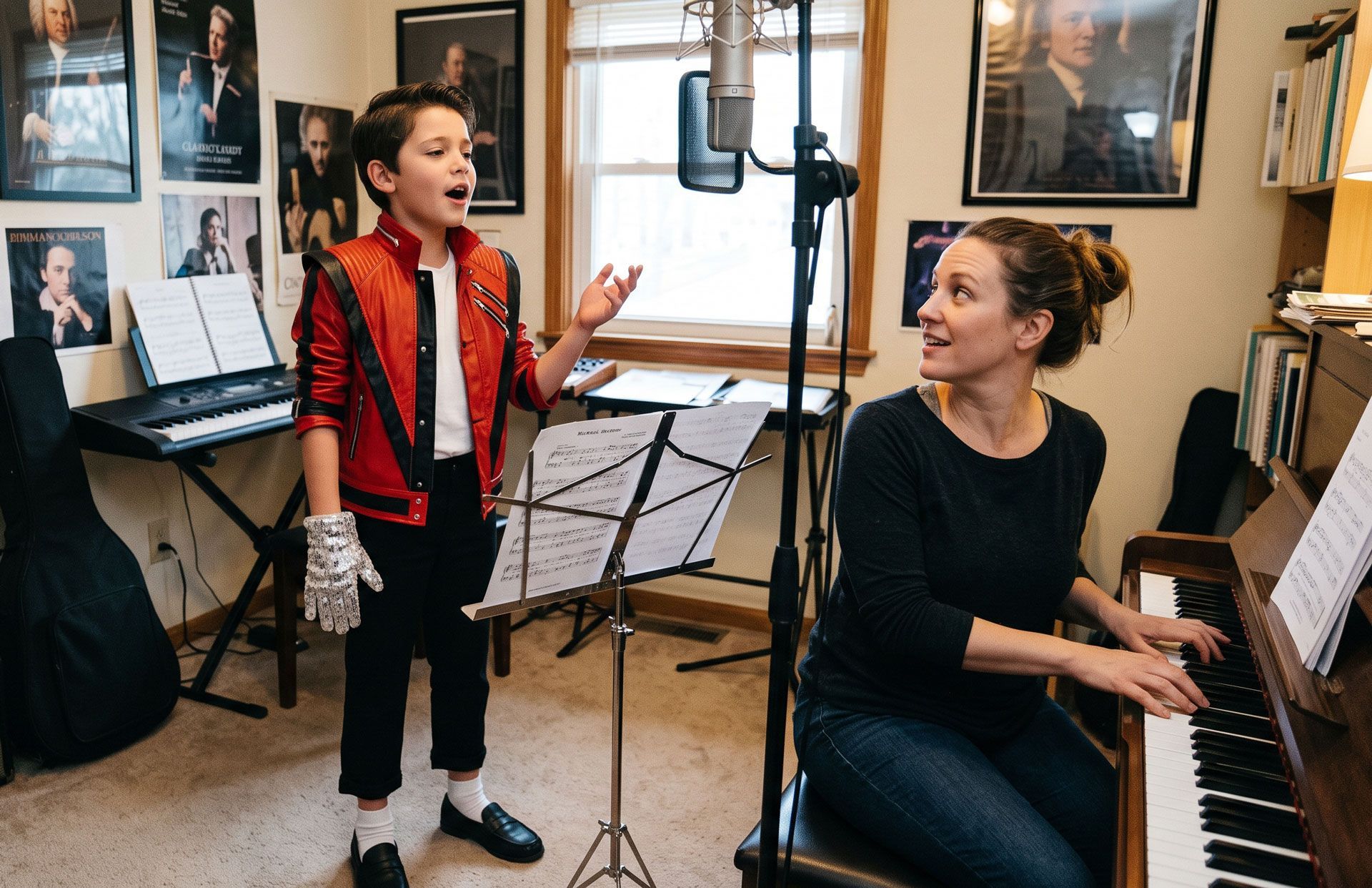
At The Singing Place, vocal coach Kathleen Kernohan brings her Speech Level Singing training into personalized voice lessons for children, teens, and adults. Whether you're just discovering your voice, preparing for a musical theater audition, or looking to improve your pop singing technique, understanding SLS can help you take a more informed approach to vocal development.
What Is the Seth Riggs Method?
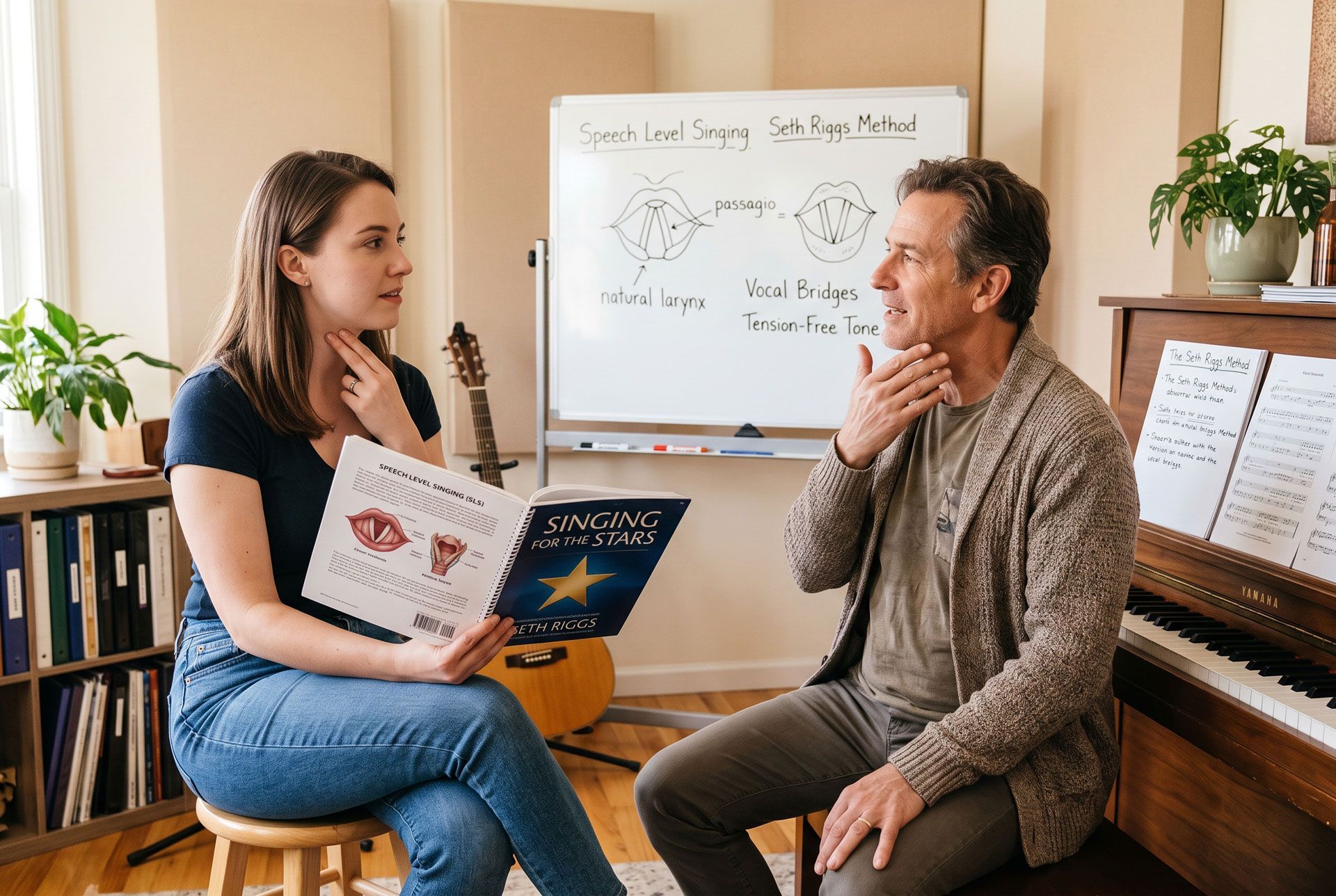
Seth Riggs is a renowned vocal coach who developed Speech Level Singing to help singers improve vocal coordination across their range. The approach emphasizes keeping the voice balanced and avoiding unnecessary tension as singers move between lower and higher pitches.
Many singers experience a noticeable break when moving from their lower register into their upper register. Others find themselves pushing harder to reach high notes, losing vocal consistency, or struggling to maintain control as a song becomes more demanding.
Speech Level Singing addresses these challenges through structured vocal exercises designed to help singers coordinate their registers more effectively.
The goal isn't simply to sing higher or louder. It's to develop a voice that feels more manageable, responds more consistently, and can adapt to the demands of different songs and styles.
How Does Speech Level Singing Work?
Speech Level Singing uses exercises that help singers explore how their voices respond to changes in pitch, volume, and vocal register. A vocal coach can identify areas where a singer may be pushing, squeezing, or losing coordination and introduce exercises suited to their individual needs.
Here are a few key areas the technique can address.
1. Smoother Transitions Between Vocal Registers
Your voice may feel and sound different as you move from lower notes to higher ones. Some singers experience a noticeable vocal break, while others compensate by pushing more weight into their upper range.
SLS exercises work toward smoother transitions between registers, helping singers develop a more connected sound across their range. This can be especially useful for pop, R&B, and musical theater singers who need to move between different parts of their voice without an abrupt change in tone.
2. Expanding Your Vocal Range
Many singers want to reach higher notes, but increasing vocal range isn't simply a matter of trying harder.
Healthy range development involves learning how to coordinate the voice at different pitches without relying on excessive tension or volume. With consistent practice and appropriate instruction, singers may gradually develop access to notes that previously felt difficult.
The aim is to build range in a way that supports vocal comfort and control rather than forcing notes that aren't ready.
3. Improving Vocal Control and Consistency
A note might sound great one day and feel difficult the next. Changes in coordination, fatigue, technique, and other factors can affect how reliably a singer produces sound.
Speech Level Singing exercises help singers become more aware of their vocal coordination and work toward greater consistency in pitch, tone, and register transitions. These skills can make rehearsals, auditions, and performances feel more manageable over time.
4. Developing a Stronger Mix and Healthy Belting
Singers often want the power of a strong belt without feeling as though they're shouting. Developing that sound requires coordination, appropriate vocal choices, and an understanding of how the voice responds to increasing pitch and intensity.
SLS training can support work on register blending and the coordination needed for different contemporary singing styles. A qualified vocal coach can help determine which exercises and approaches are appropriate for each singer, rather than encouraging everyone to produce the same sound.
Is Speech Level Singing Good for Beginners?
Yes. Speech Level Singing principles can be incorporated into lessons for beginners as well as more experienced performers, provided the exercises are appropriate for the individual singer.
You don't need to be a professional singer or have an extensive musical background to benefit from vocal coaching. Beginners can start by developing pitch awareness, learning basic vocal coordination, and becoming more comfortable using their voices.
For adults, lessons may focus on building confidence, expanding vocal range, or working toward specific musical goals. For children and teens, instruction should be adapted to their age, experience, attention span, and developing voices.
The most important part of learning any vocal technique is receiving guidance that fits your voice rather than trying to force your way through exercises designed for someone else.
Can Children Learn Speech Level Singing?
Children can benefit from age-appropriate vocal exercises that encourage pitch accuracy, musicality, coordination, and confidence. However, their lessons should be tailored to their developmental stage and avoid unnecessary vocal strain.
At The Singing Place, children's voice lessons provide an opportunity to explore singing in a supportive environment while developing foundational musical skills. Exercises can be adjusted to suit a young singer's interests and experience, whether they're singing for fun, preparing for a school performance, or considering musical theater.
Speech Level Singing principles may be incorporated where appropriate, but the focus should remain on healthy vocal development, enjoyment, and steady progress rather than pushing for an adult-style sound.
Learning Speech Level Singing With Kathleen Kernohan
Finding the right vocal coach can make a significant difference in how you approach singing. Technique is important, but so is having an instructor who understands your goals and can help you work through challenges at a comfortable pace.
Kathleen Kernohan is a certified Speech Level Singing instructor who trained with Seth Riggs and other master teachers of the method. With extensive experience in singing, acting, and performance, she works with students at different stages of their musical development.
Her approach combines individualized vocal instruction with practical performance experience. Lessons can address vocal range, register blending, tone, breath coordination, healthy belting, and the skills needed for auditions or personal musical goals.
Whether you're a beginner who has always wanted to sing, an adult returning to music, or a young performer building confidence, lessons are tailored to your needs and experience.
Speech Level Singing vs. Traditional Voice Lessons
Speech Level Singing is one approach to vocal training, not a replacement for every other singing technique. Traditional voice lessons can encompass a broad range of methods, including classical technique, musical theater training, contemporary commercial singing, and performance coaching.
The best approach depends on the singer's goals and the music they want to perform.
For example, a student preparing for a Broadway audition may need to work on diction, character interpretation, and storytelling alongside vocal technique. Someone interested in contemporary pop may prioritize register blending, stylistic phrasing, and vocal flexibility.
A vocal coach can help identify which skills deserve the most attention and incorporate appropriate exercises into a well-rounded lesson plan.
Start Developing Your Voice at The Singing Place
You don't have to wait until you're an experienced singer to start working on your technique. With individualized instruction and consistent practice, you can build a better understanding of your voice, work through challenging passages, and develop skills that support your musical goals.
The Singing Place offers personalized voice lessons for children, teens, and adults, with instruction tailored to each student's experience, interests, and aspirations. If you're interested in Speech Level Singing or want to explore ways to improve your vocal control, Kathleen Kernohan can help you find a starting point that makes sense for your voice.
Ready to work on your singing?
Contact
The Singing Place in Hollywood & Westlake, CA to learn more about voice lessons and find out how personalized vocal coaching can support your goals.
Share this post