How to Sing Like Stevie Wonder | Vocal Tips
How to Sing Like Stevie Wonder: Soulful Tone, Vocal Runs and Expression
Stevie Wonder is known for a voice that can sound powerful, smooth, playful, and deeply emotional, sometimes all within the same song. His signature style combines soulful phrasing, expressive vocal runs, rhythmic precision, and a natural ability to make every lyric feel personal.
If you want to learn how to sing like Stevie Wonder, the goal is not to copy his voice note for note. It is to develop the vocal control, musicality, and expression that make his performances so memorable.
At The Singing Place, singers can work on the fundamentals behind this style, including breath control, pitch accuracy, vocal flexibility, and smooth transitions between vocal registers. Whether you are a beginner, an adult returning to singing, or a young singer developing your voice, these skills can help you build a more expressive sound.

What Makes Stevie Wonder's Singing Style So Unique?
Stevie Wonder's voice stands out because he combines technical ability with an unmistakable sense of feeling and rhythm. You can hear these qualities throughout songs such as Isn't She Lovely, Superstition, My Cherie Amour, and Lately.
Here are four elements to focus on as you develop your own soulful singing style.
1. A Warm, Expressive Vocal Tone
Stevie Wonder can move between a light, gentle sound and a more powerful, full-bodied tone without losing the character of his voice. His sound is expressive rather than overly polished, which helps his performances feel personal and authentic.
To develop a more expressive tone, start by singing at a comfortable volume. Focus on producing a clear, steady sound without squeezing your throat or pushing extra air through your vocal cords.
Try singing a short phrase three times:
- First, sing it softly and gently.
- Next, sing it with more energy while keeping your throat relaxed.
- Finally, focus on the emotion behind the lyrics and let that feeling influence your delivery.
The goal is to develop control over your tone rather than force your voice to sound like someone else's.
2. Soulful Vocal Runs and Melisma
One of the most recognizable features of Stevie Wonder's singing is his use of vocal runs. These are sequences of notes sung across a single syllable, often moving quickly through a musical phrase.
Vocal runs can add personality and emotion to a performance, but they require accurate pitch, coordination, and timing. Singing notes quickly is not enough. Each note should be clear and intentional.
Beginner vocal run exercise:
- Choose three comfortable notes that move up or down a simple scale.
- Sing each note separately, making sure your pitch is accurate.
- Connect the notes slowly on a single vowel, such as "ah" or "oo."
- Repeat the pattern a little faster while keeping each note clear.
- Try adding the pattern to the end of a short lyric.
Start slowly and build speed only when the notes feel easy. If your jaw tightens or your throat starts to feel strained, slow down or return to a more comfortable range.
You do not need elaborate runs to sound soulful. A small, well-placed musical variation can be more effective than a long, complicated sequence.
3. Rhythm, Phrasing, and Musical Timing
Stevie Wonder's singing is closely connected to the rhythm of the music. He plays with timing, stretches certain words, adds rhythmic accents, and sometimes moves around the beat to create a distinctive groove.
To practise this skill, choose a short phrase from a song you enjoy. Listen to how Stevie shapes the words, where he holds a note, and how he places the ends of phrases.
Then try singing the phrase over a slow backing track or metronome.
Pay attention to:
- Keeping the beat steady while changing the rhythm of the melody.
- Holding longer notes without running out of breath.
- Emphasizing important words rather than singing every syllable with equal weight.
- Leaving small spaces between phrases instead of filling every moment with sound.
Good phrasing helps a singer communicate meaning. The objective is not simply to hit the right notes, but to make those notes feel connected to the song.
4. Emotion and Storytelling
Perhaps the most important lesson to take from Stevie Wonder is that technical ability should support expression. His performances can communicate joy, tenderness, longing, or excitement through subtle changes in tone, timing, and intensity.
Before singing a song, read through the lyrics and consider what the singer is communicating. Identify the words that carry the most meaning, then experiment with changes in volume, tone, and phrasing to bring those moments forward.
Try singing the same verse in two different ways. In the first version, concentrate only on pitch and rhythm. In the second, think about the story and emotional meaning of each line.
Notice how your delivery changes. Developing that awareness can help you become a more convincing and engaging performer.
Vocal Exercises to Help You Sing Like Stevie Wonder
You do not need an advanced vocal range to begin developing a soulful singing style. Consistent practice with simple exercises can help improve the coordination and control needed for more expressive singing.
Exercise 1: Gentle Humming
Humming is a useful way to warm up your voice without immediately jumping into demanding notes.
- Start on a comfortable pitch.
- Hum gently with your lips together.
- Move up and down through a small range.
- Keep your jaw relaxed and avoid pressing for higher notes.
Focus on a steady, easy sound. If you feel tension in your throat, reduce the volume and return to a comfortable pitch.
Exercise 2: Lip Trills for Vocal Flexibility
Lip trills involve blowing air through relaxed lips while producing a sound, similar to a loose motorboat noise. They can help you practise moving through your range without gripping or pushing.
Start with a few comfortable notes, then gently glide upward and downward. Keep the airflow consistent and avoid trying to reach the highest note possible.
This exercise can be especially helpful before practising vocal runs or moving between lower and higher notes.
Exercise 3: Slow Vocal Runs
Choose a simple three- or five-note pattern. Sing it slowly on one vowel, making sure each pitch is accurate before increasing the speed.
Once the pattern feels comfortable, try changing the vowel or using a short word. Keep your rhythm consistent and resist the temptation to rush through the notes.
Practising a few notes accurately is more useful than repeating a complicated run that feels uncontrolled.
Exercise 4: Sing With Different Dynamics
Dynamics refer to changes in loudness and intensity. Expressive singers use these changes to shape a phrase and create contrast.
Choose one line from a song and sing it softly, then repeat it with a little more energy. Try gradually increasing the volume through the phrase before easing back at the end.
Do not confuse volume with vocal effort. A stronger sound should still feel coordinated and comfortable.
Exercise 5: Practise Register Transitions
A singer's voice may feel different when moving between lower, middle, and higher notes. Developing smoother transitions can help you sing a wider variety of phrases with less tension.
Try a gentle siren or a short scale through a comfortable range. Keep the sound light as you move upward rather than forcing your chest voice higher.
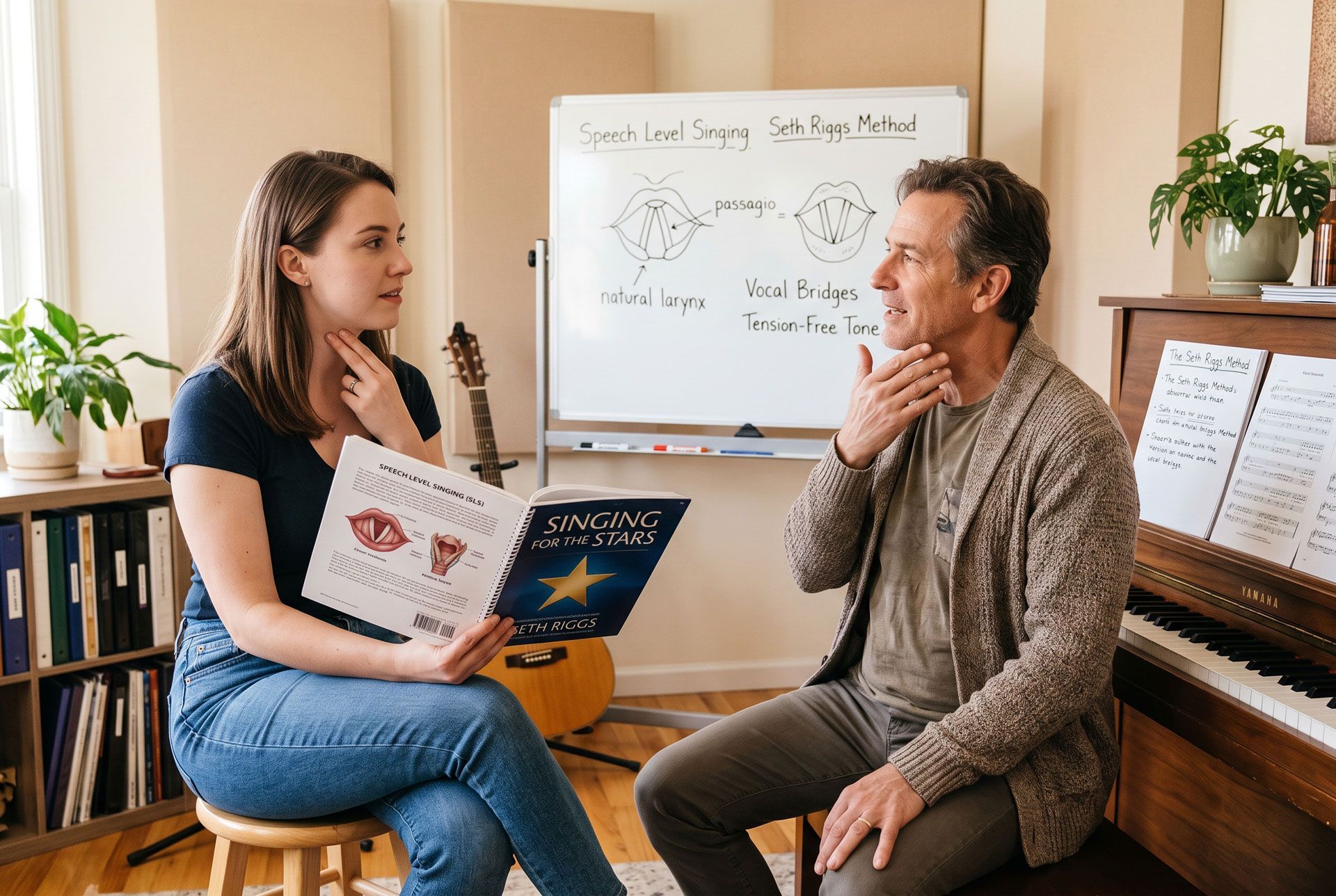
Speech Level Singing, the approach developed by vocal coach Seth Riggs, focuses on maintaining balanced vocal coordination as singers move through their range. This type of training can be useful for developing flexibility and control while working toward a more expressive singing style.
Can Singing Lessons Help You Develop a Soulful Voice?
Yes. Vocal lessons can help you understand how your voice works and identify the techniques that will make the biggest difference for your individual goals.
A singing instructor can help you work on:
- Pitch accuracy: Singing notes consistently and accurately.
- Breath control: Managing airflow through longer phrases.
- Vocal runs: Improving note clarity, timing, and flexibility.
- Tone and dynamics: Developing a range of vocal colors without unnecessary tension.
- Register transitions: Moving between lower and higher notes more comfortably.
- Musical expression: Using phrasing, rhythm, and tone to communicate emotion.
At The Singing Place, Kathleen Kernohan works with singers on vocal technique and musical development, including the principles of Speech Level Singing. Lessons can be adapted to the singer's experience, goals, and current abilities.
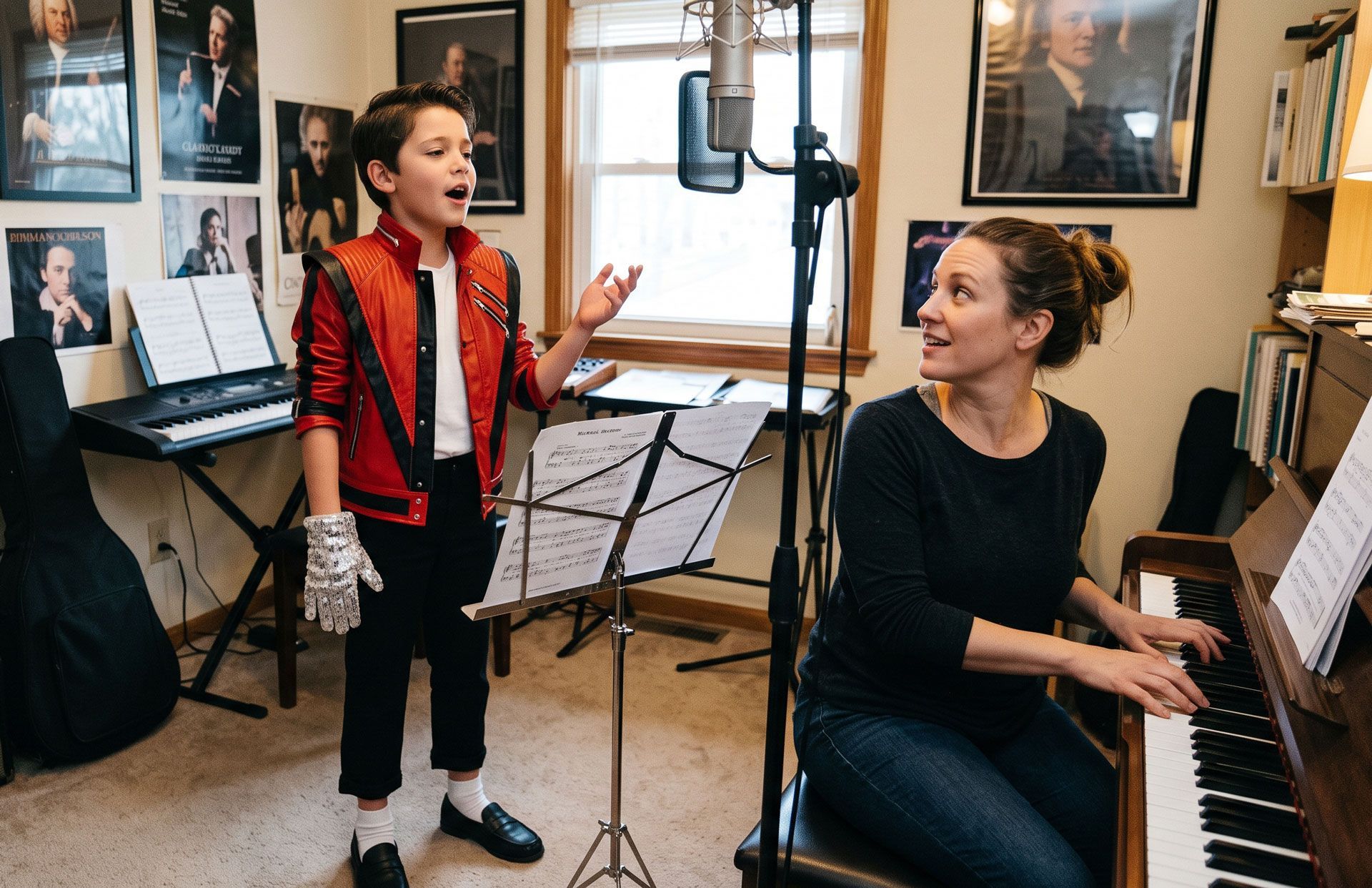
Children and teens can build healthy vocal habits as they explore songs they love, while adult singers can work toward greater confidence, improved control, and a more expressive sound.
Speech Level Singing and the Path to Better Vocal Control
When studying a singer with Stevie Wonder's range of expression, it is easy to focus on the impressive notes and vocal runs. But the underlying coordination matters just as much.
Speech Level Singing, developed by Seth Riggs, emphasizes balanced vocal production and smooth movement through the vocal registers. Rather than forcing the voice to reach a note, singers work toward producing it with greater ease and coordination.
This approach may help singers who want to:
- Move between registers more smoothly.
- Develop more consistent tone across their range.
- Practise vocal flexibility without unnecessary strain.
- Build the control needed for expressive phrasing and runs.
Every singer's voice is different, and there is no single method that guarantees a particular sound. With appropriate instruction and regular practice, however, you can develop the skills that support a more flexible and confident voice.
Learn to Sing With More Soul, Control, and Confidence
Learning how to sing like Stevie Wonder is about more than imitating a distinctive voice. It is about developing the musical instincts, vocal flexibility, rhythmic awareness, and emotional connection that make a performance memorable.
Start with the fundamentals. Practise short vocal runs slowly, pay attention to your phrasing, explore different tones, and let the meaning of the song guide your delivery. As your control improves, you can gradually experiment with more complex musical ideas.
If you are ready to develop your voice,
The Singing Place in Hollywood & Westlake, CA can help you build stronger technique and greater confidence through personalized singing lessons. Whether you are just starting out or looking to refine your style, the right guidance can help you make the most of your natural voice.
Explore singing lessons at The Singing Place to learn more about working on your vocal technique, range, and expression.
Share this post